Seasons
When to travel to Japan: seasons, pacing, and what suits different trips
A practical season guide for travelers weighing cherry blossom, autumn leaves, heat, pricing, and crowd levels.

Pick the season before detailed planning
The most common planning mistake is locking the route and dates first, then discovering that weather, holiday peaks, or crowd pressure make the trip harder than expected. Start by choosing the feeling you want from the trip.
Spring: bright, exciting, and in high demand
Spring is strong if you want blossom, parks, and a very clear seasonal atmosphere. It also comes with fast-rising prices and demand. First-time travelers often love spring, but need to accept more crowds and less flexibility.
Summer: festivals, greenery, and more heat
Summer works best if you prioritize festivals, the coast, northern Japan, or school-holiday timing. In major cities, heat and humidity can make the pace harder than expected, so hotel location and midday breaks matter more.
Autumn: the easiest premium window
Autumn is often the most balanced season for couples trips and slower, higher-quality pacing. The air is lighter, colors are strong, and routes are often easier to enjoy without the same pressure as blossom season.
Winter: calm and defined
Winter suits travelers who want fewer visitors, strong city contrast, winter landscapes, or ski time. It also works well for visitors who want to see Tokyo and Kyoto at a calmer pace without chasing one specific bloom window.
How to choose well
- Choose spring if you accept more pressure for a strong seasonal mood
- Choose autumn if you want the best balance of weather, aesthetics, and pace
- Choose winter if you want calmer flows and clearer logistics
- Choose summer only when the heat matches the purpose of the trip
When expert help is worth it
If you are tied to school breaks, want to travel in a peak period, or are choosing between two seasons, it is usually better to compare the outlines before you book anything.
More guides

Free sources for Japan events: what you can actually build

Golden Week 2026 in Japan: Prices, Crowds and Smart Routing
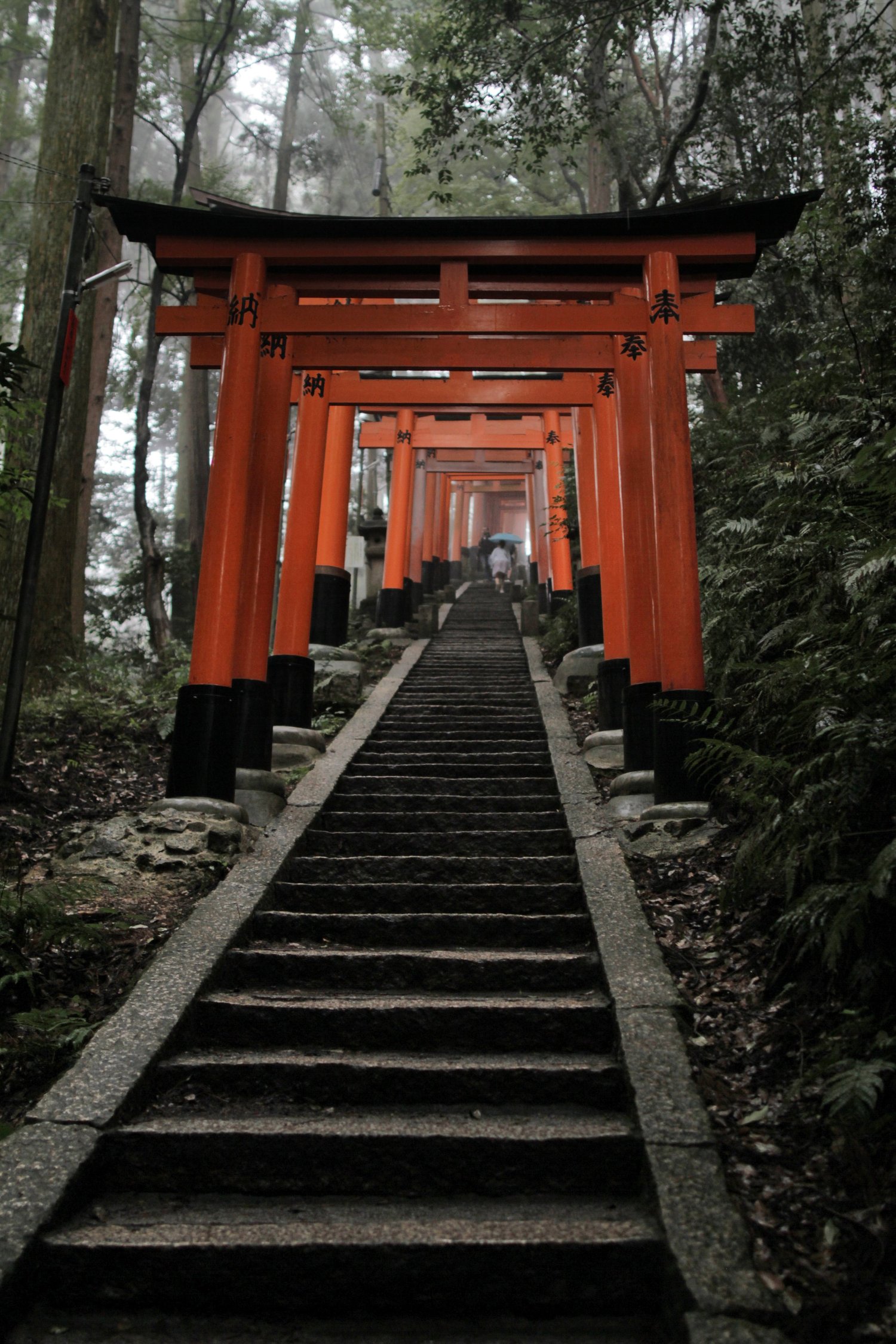
Kyoto: Arashiyama or Higashiyama on a First Trip?
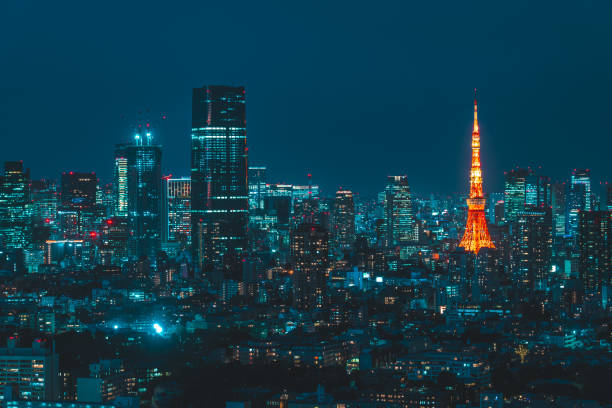
Tokyo Day by Day: Food, Shopping and a Calmer First-Trip Pace
Arrival Day in Japan: Plan Jetlag, Luggage and First Transport
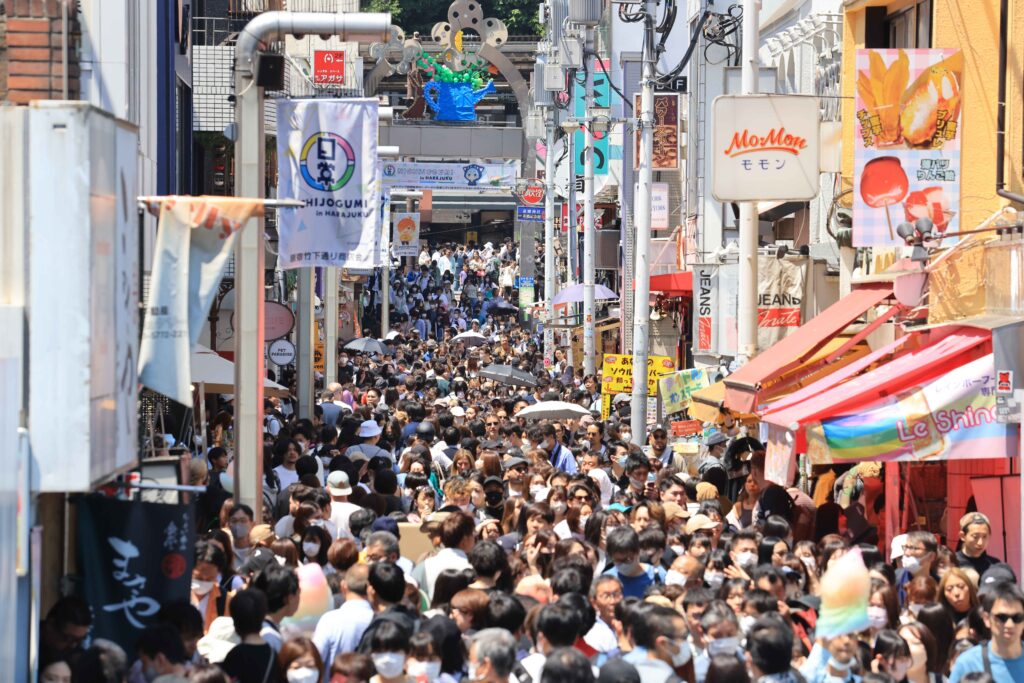
Restaurants in Japan: What to Book Ahead and What Can Wait?