Itineraries
Nara as a Half-Day Trip from Kyoto or Osaka: When It Is Enough
Nara is easy to add, but it works best when you choose the right ambition level. Here is how to decide between a half day, full day or overnight stop.
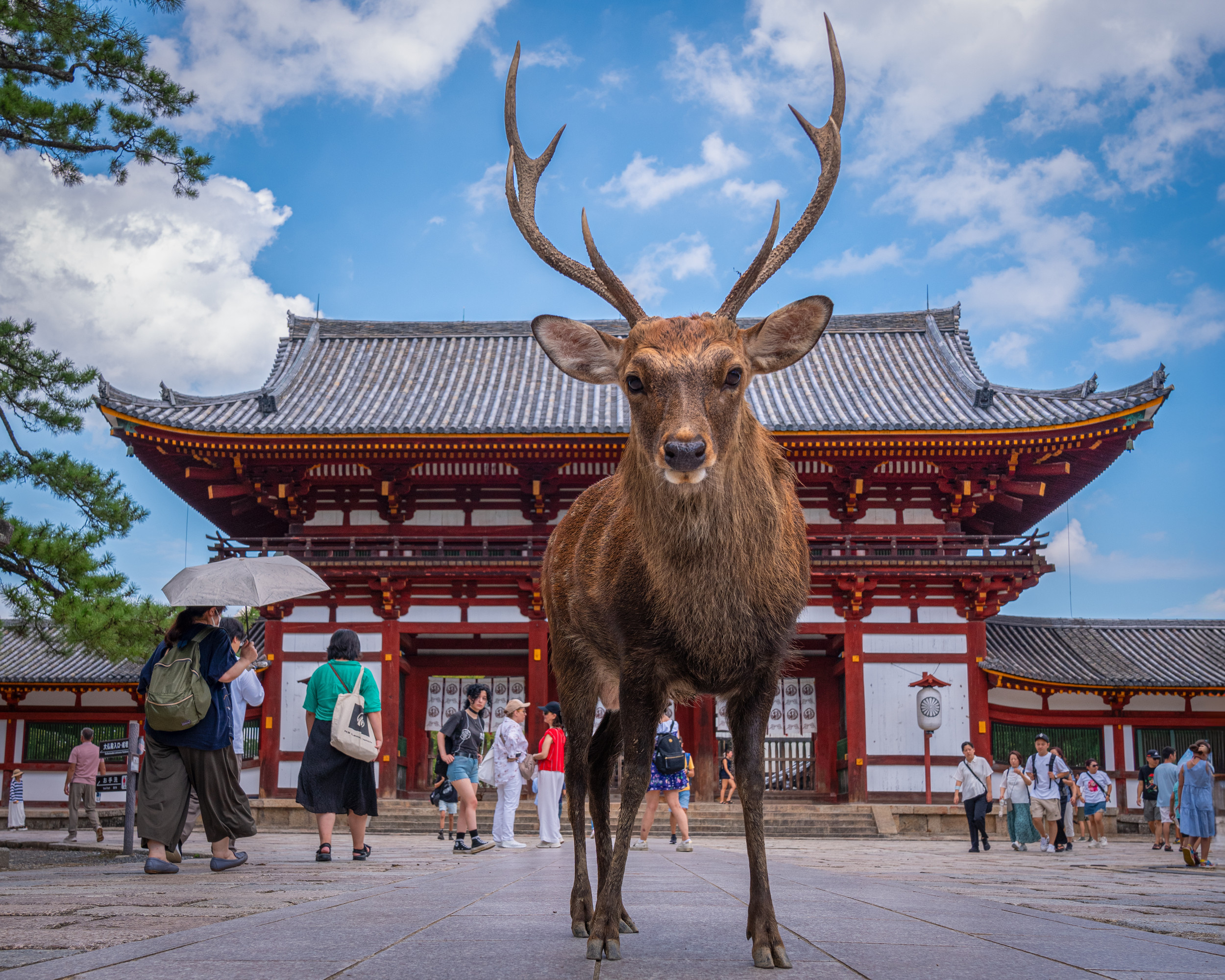
Decide what role Nara should play
Nara is one of the easiest classic side trips in Kansai. That is exactly why it is often misplanned. Travelers add it as a quick stop between Kyoto and Osaka, then expect it to feel like a slow cultural day.
The question is rarely whether Nara is worth it. If you are already in Kansai, it usually is. The real question is whether it should be a light half day, a full cultural day or a calmer pause in a dense route.
When a half day is enough
A half day works if you want the main park area, a clear contrast to Kyoto and Osaka, and a simple return to your base.
It suits first-time travelers, families, and routes that already include several temple-heavy Kyoto days. The key is to stay geographically focused and avoid turning the visit into a checklist.
When to give Nara a full day
A full day makes sense if Nara is one of your main cultural priorities, if you want slower walking time, or if you are visiting during a crowded season when movement takes longer.
Do not choose a full day only because it sounds more serious. A clean half day is often better than a stretched day that should have been used for rest.
Kyoto or Osaka as the base?
From Kyoto, Nara feels like a continuation of the cultural part of the trip. From Osaka, it feels more like a contrast day. Both work. The right choice depends on the rhythm of the rest of your route.
Common mistakes
- Adding Nara to an already heavy Kyoto morning and Osaka evening.
- Planning too many stops inside Nara.
- Assuming a half day has to feel rushed.
- Saving Nara until everyone is already tired of temples.
When to get personal help
Personal planning is useful if you are trying to combine Kyoto, Osaka, Nara and multiple day trips without making the route too dense.
