Hakone Open-Air Museum
Sculpture and mountains in open conversation since 1969.
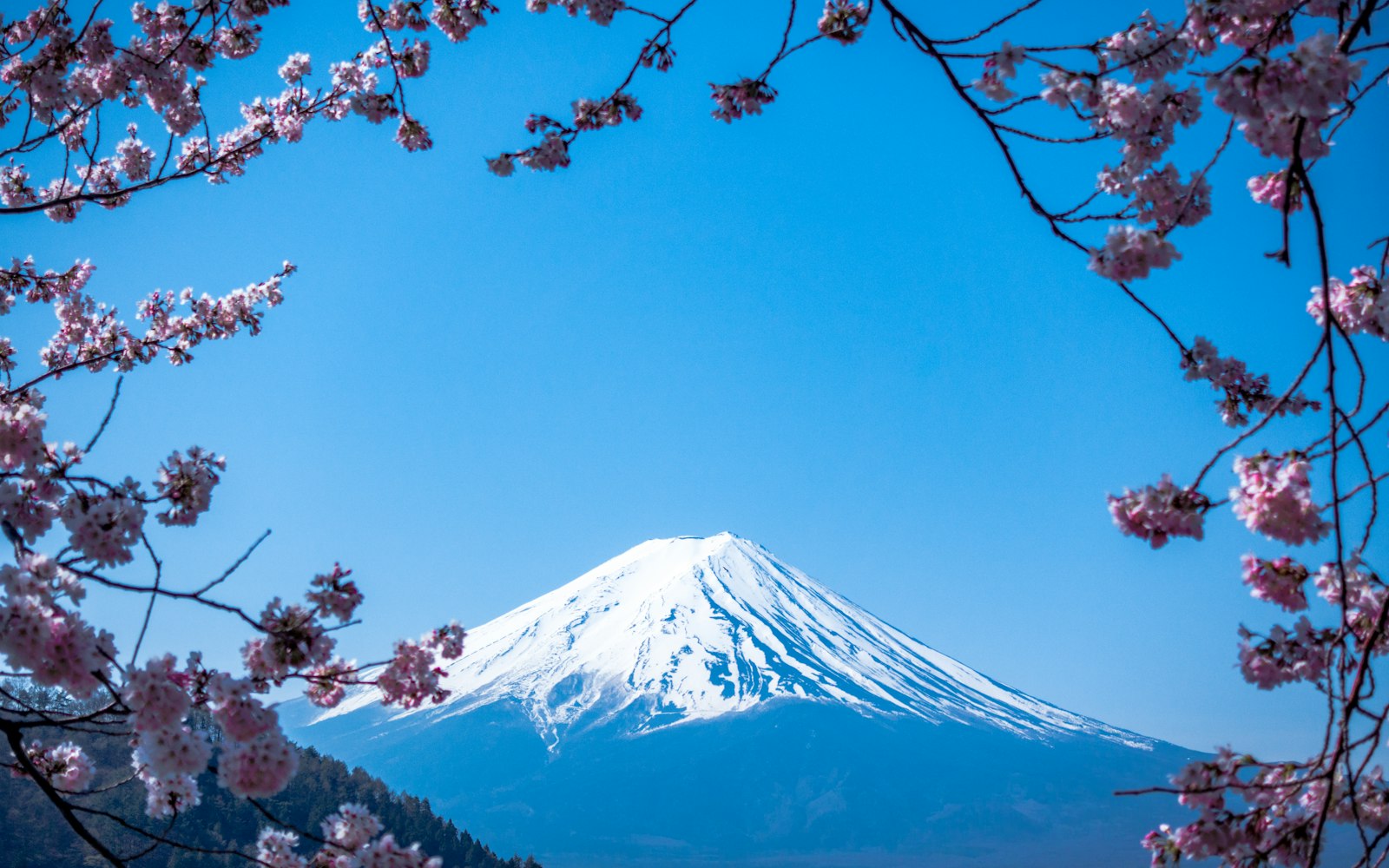
The Hakone Open-Air Museum was Japan's first outdoor sculpture museum, opened in 1969 across seven hectares of hillside facing the Hakone mountains. The collection includes works by Henry Moore, Nikki de Saint Phalle, Isamu Noguchi, and others, placed directly in the landscape so that mountain, sky, and sculpture exist in continuous dialogue. The Picasso Pavilion houses over 300 works — ceramics, paintings, and sculpture — making it one of the largest permanent Picasso collections in Asia. Beyond the main collection, there are foot baths fed by natural hot springs where you can rest with your feet in warm mineral water while looking at a Henry Moore bronze against the mountains. For Scandinavians who know Louisiana Museum outside Copenhagen or Kistefos in Norway, the Hakone Open-Air Museum occupies similar territory: art in landscape, where the setting is inseparable from the experience. The combination of sculpture, mountains, and onsen water is uniquely Japanese.
Good to know
- Japan's first outdoor sculpture museum (1969)
- Works by Moore, Noguchi, Picasso, and others
- Picasso Pavilion with 300+ works
- Hot spring foot baths with mountain views
- Set against the Hakone mountain backdrop
Location
- 1121 Ninotaira, Hakone-machi, Ashigarashimo-gun, Kanagawa 250-0407
- Nearest station: Hakone-Yumoto Station
- From Tokyo: ca 1 h 25 min med Romancecar eller shinkansen + lokalbana
- Best time to visit: Morning or early evening